Blogs
Andre
Internet of Things
The Urgency of Print Consolidation: Bridging the Gap

By Muhammed Abdulla NC | Published on Nov 29 | 5 Minute Read

The decline of print is uniting the big publications of Europe. The print industry is going through the biggest change of all time. It all started with the advent of digital media and the shift in people’s behavior in consuming news content. With digital media in the picture, consumers started consuming digital content for the sake of convenience, agility, and getting updates in real time.
The newsprint industry was struggling and then the pandemic happened further triggering a steady decline in readership. Also, a leading publication revealed, that every year approximately 10% of their newsprint consumers shift to their digital media platforms.
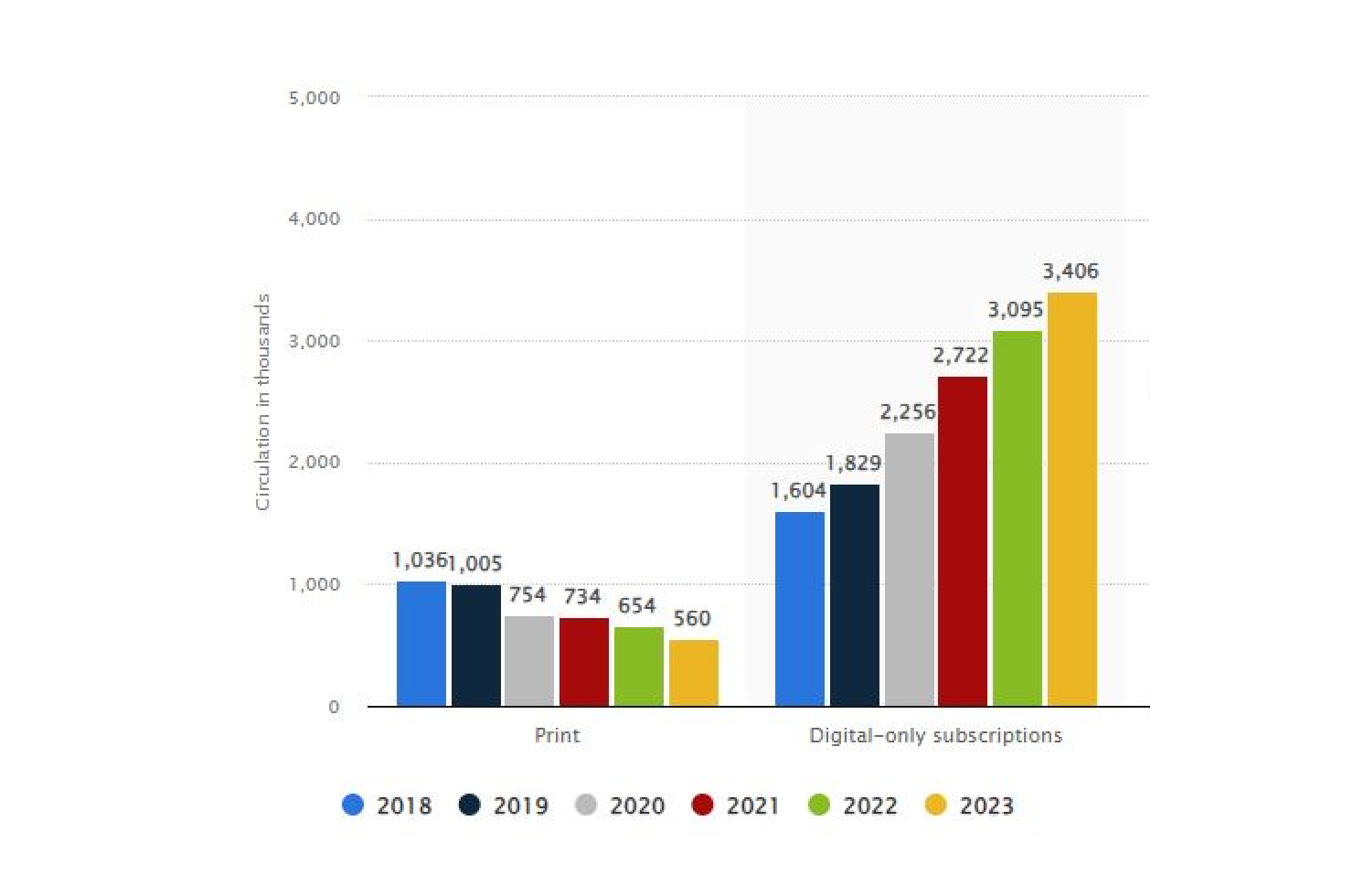
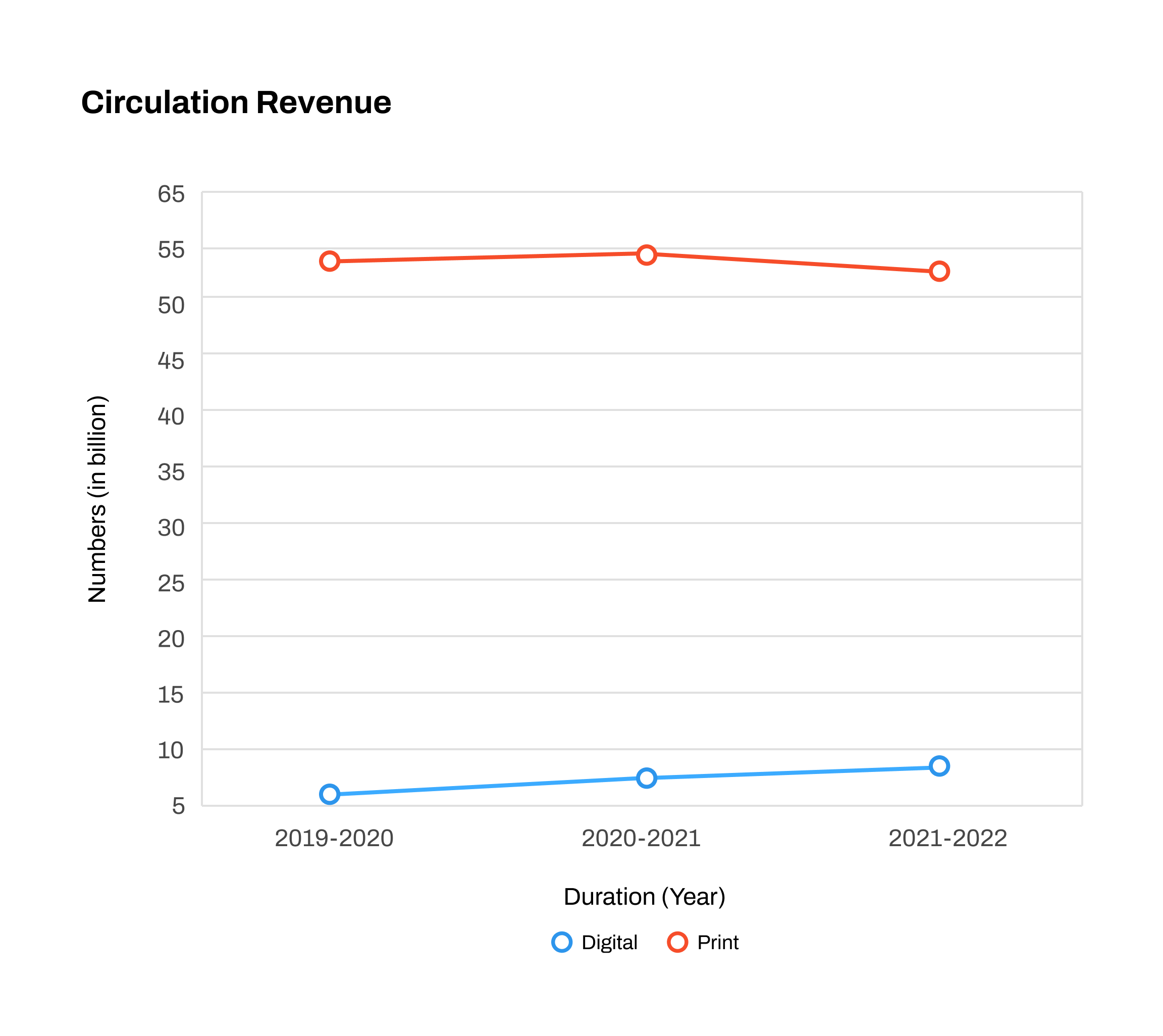
For print newspapers and magazines globally, revenue is expected to drop 13.05% from 2023’s $127.20 billion to $110.60 billion by 2027.
Europe having some of the biggest publications saw a huge impact of the behavioural change. Moreover, manufacturing and printing are getting cost-heavy with the surged cost of raw materials, energy, and workforce in that region.
.png)
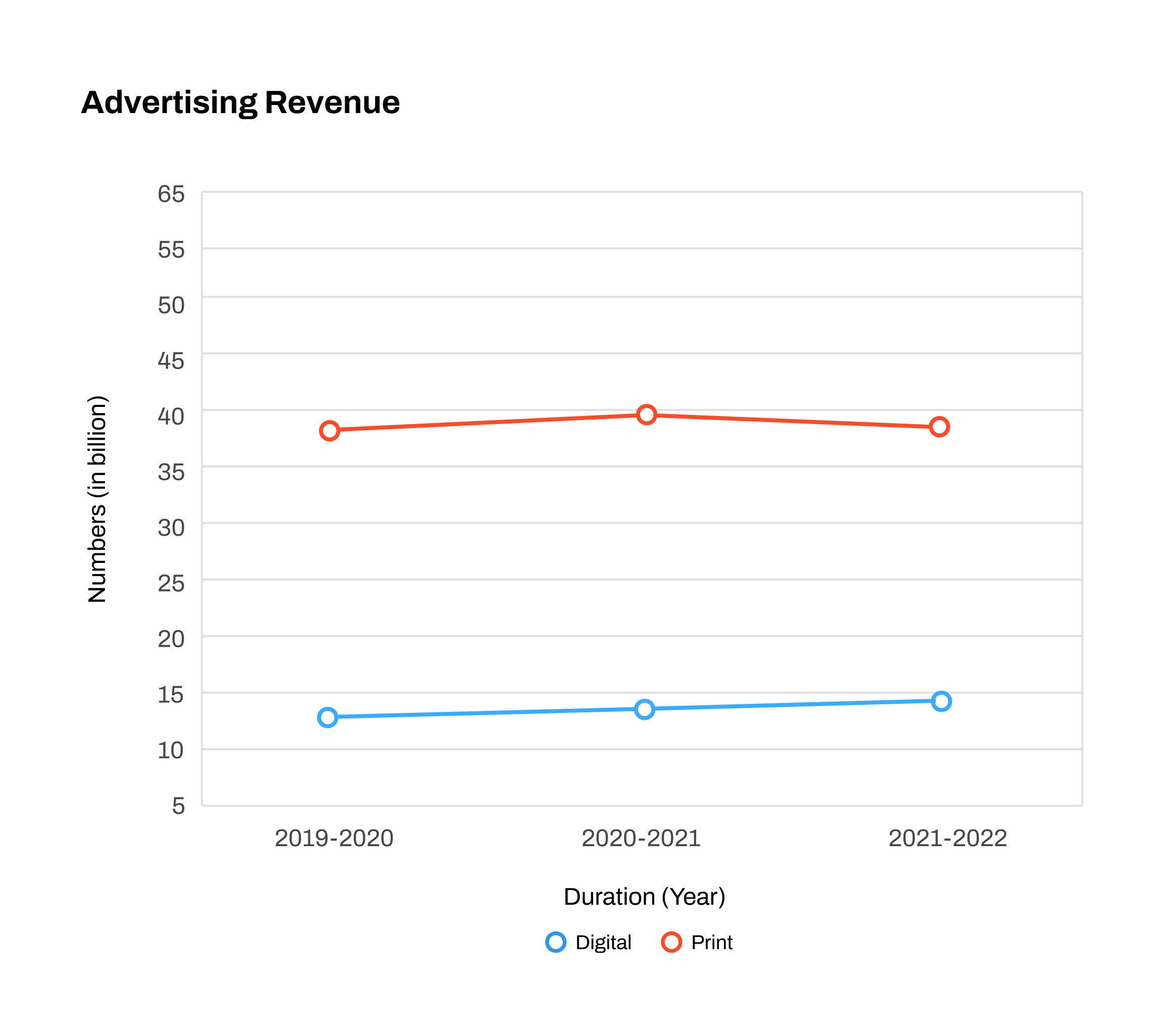
On the other hand, digital newspaper and magazine revenue is expected to grow 11.37% from 2023’s $38.60 billion to $42.99 billion by 2027 globally.
At this moment of paradigm shift, the publications plan to mend their ways to meet the needs of the hour, matching consumer behavior, providing value to the readers for retention, and changing the course of their numbers towards profits. This being the common goal of every publication in Europe, they might come together to achieve it.
At World Printers Summit 2023, the leaders in the printing industry from across the globe came together to discuss the consolidation of printing plants. With the decline in readership and printing of fewer copies of newspapers, the printing plants are highly underutilized. Many publications are only using 15-20% of their plant’s maximum potential. Upon audit, publications came to the conclusion that their plant’s max potential is underutilized and production cost is constantly increasing.
To solve this problem, the publications in Europe’s Dutch region plan to consolidate their printing plants where print manufacturing units will be shared by multiple publications. This could be a win-win agreement for everyone as it will allow for the plant’s maximum potential utilization, a reduction in overhead costs, and a range of other advantages.
Challenges in consolidation printing
However, two major challenges lie here. First, sharing the files for printing and tracking the progress of each page at each stage of print production would be a challenge given various publications will be using common machines and systems.
Second, publications extract data from their machines to derive insights into print quality, consumables, machine efficiency, energy consumption, and more. With various publications consolidating their printing and sharing a common plant, determining the ownership of data will take time and effort.
Third, Publications have different formats like Broadsheets, Tabloids, and Berliner, each requiring distinct printing machinery. This diversity in formats poses a significant challenge in collaborative printing ventures.
The current solution is to harmonize the requirements of Broadsheets, Tabloids, Berliner, and potentially other formats the publications will have to engage in thorough discussions to agree upon a unified format that suits the shared printing environment.
In order to overcome the challenges, publications need solutions that can transfer and track their files at the same time collect data from machines and provide insights into the complete print product process.
Bridging the gap between Editorial, Pre-press, and Print Production in consolidation printing
To bridge the gap between all teams involved in the publishing and printing landscape a defined infrastructure needs to be in place to eliminate manual file transfers and smart tracking of the pages. Automated Intelligent Workforce Infrastructure (AIWI) is an efficient way to save on cost, valuable time, and workforce.
-
Efficient load-balancing: With various publications involved and transacting files the workload across servers needs to be evenly distributed. With an automated infrastructure, publications will be able to redistribute tasks to other servers in case of failure to ensure interrupted operations.
-
Precise page proofing: The scope of reworks will become even more time-sensitive than it is today. Publications will have to have precise proofing and approval processes before pages go out for print. A centralized proofing monitor for page approvals and rejections with a log system will be highly productive and efficient for all the teams involved.
-
Robust page tracking system: Publications should be able to track their files in the print production environment. A robust process monitoring system will enable publications to have a comprehensive view of their file at each stage of the process highlighting file errors and system failures.
-
Disaster recovery: System failure is a critical concern in the consolidated print environment. It will cause huge costs, loss of time, and delays in production for the publications sharing the space. Publications can be looking into a disaster recovery system with backup servers connected to central servers safeguarding data losses.
Insights and advantages publications can get in a consolidated printing environment with Print 4.0
In a scenario of this magnitude, Industry 4.0 is an excellent solution to underpin and streamline the intricate process at hand. Industry 4.0 will allow publications to consolidate printing with defined ownership, data transparency, and utmost efficiency. For further precision and understanding of data specific to the print industry, Harns Technologies has built a solution — Print 4.0, powered by Industry 4.0.
Print 4.0 will help collect, display, and monitor data for each publication leading to defined ownership of data, transparency across teams & publications, and optimization of the production process in the consolidated printing environment.
-
Defined ownership of data: In a shared printing environment with various publications, the risk of data loss or confusion with other publications’ data is a concern. Publications can implement data collection and presentation methods for consolidated and individual data presentations.
-
Insights on Energy consumption: Energy is a huge cost in Europe, the energy consumed by each publication can be tracked and analyzed for cost reduction and energy conservation.
-
Optimal workforce management: By sharing physical space and workforce in a consolidated environment, publications will run the printing press at its maximum potential with high productivity hours. With Print 4.0, publications can analyze the high production hours and accordingly allocate the workforce for optimum productivity.
One more thing the publications will need to agree upon is the format of the newspaper they will be printing. It will be a challenge to print all Broadsheets, Tabloids, and Berliner.
The consolidation of printing is a noble and practical step to continue the legacy of print newspapers and make the industry evolve with the evolving times. The article speaks about why print consolidation is practical but the nobility lies in the thought of the industry leaders to come and work together to continue to grow an industry at large. The nobility lies in the rarity of such occurrences.
Here are some related articles you may find interesting:

blog
The Role of AI in digital publishing
One such game-changing invention is artificial intelligence (AI), which has revolutionized several different industries, including digital publishing, amongst many others. The publishing process, the generation of content, and the provision of personalized reader experiences are all areas in which AI has enormous potential for improvement.

blog
10 Ways Workflow Automation Can Transform Your Business
Increasing efficiency through workflow automation can be a boon for your business, fostering efficiency and enabling better decision-making capabilities. By embracing workflow automation, businesses can attain a competitive advantage, drive functional excellence, and accomplish sustainable growth.


PLATFORMS & SOLUTIONS